Advice From an Anxiety Therapist in San Francisco
Anxiety doesn't always look the way we expect it to. Sometimes it's a racing heart, a sense of panic, or an overwhelming feeling that something bad is about to happen. Other times, it shows up more in our thoughts and emotions, through constant overthinking, difficulty making decisions, worrying about disappointing others, or feeling like we're never doing quite enough.
Anxiety can affect women in many different ways. For some, it's a constant sense of worry or uneasiness. For others, it may involve intense self-doubt, difficulty relaxing, or feeling overwhelmed by situations that once seemed manageable. Whatever form it takes, anxiety can be exhausting and affect how you feel about yourself and your ability to enjoy life.
Anxiety is a natural response to stress and uncertainty. But when it becomes persistent, it can affect how you feel physically, how you relate to others, and how much confidence you have in yourself.
Understanding the different ways anxiety can show up is an important first step toward recognizing what you need and finding ways to feel better.
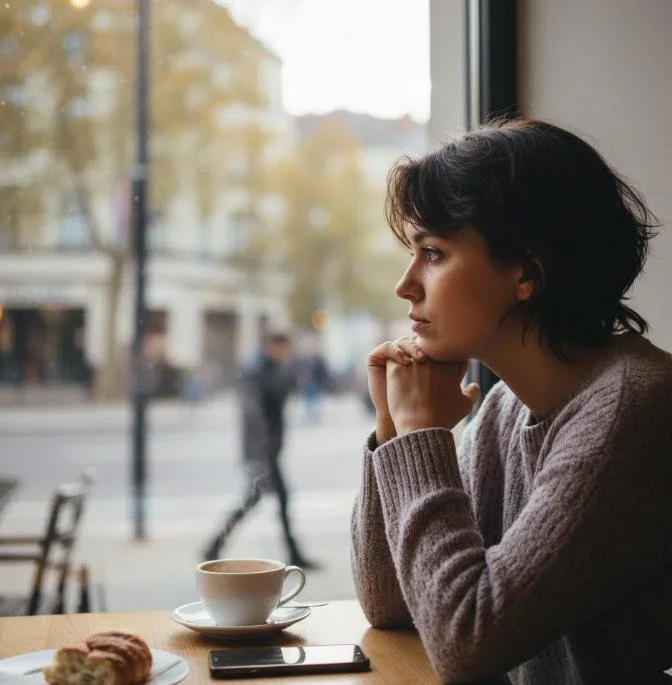
What Are Common Anxiety Symptoms in Women?
Anxiety can affect your thoughts, emotions, body, and behavior. While everyone's experience is different, some common signs of anxiety in women include:
Emotional and cognitive symptoms:
Constant worrying or imagining worst-case scenarios
Overthinking conversations, decisions, or past interactions
Difficulty concentrating or feeling mentally overwhelmed
Irritability, restlessness, or feeling on edge
Fear of making mistakes or disappointing others
Second-guessing yourself and struggling to trust your judgment
Feeling responsible for other people's happiness or reactions
Physical symptoms:
Racing heart or heart palpitations
Muscle tension, especially in the neck, shoulders, or jaw
Headaches or stomach discomfort
Shortness of breath or tightness in the chest
Fatigue or difficulty sleeping
Sweating, trembling, or dizziness
Some women experience several of these symptoms, while others notice only a few. Anxiety can also fluctuate depending on stress and life circumstances.
Having these symptoms doesn't necessarily mean you have an anxiety disorder. However, if they're persistent or interfering with your life, they deserve attention. Physical symptoms can also have medical causes, so new or unexplained symptoms should be discussed with a healthcare professional.
What Does Anxiety Feel Like in Everyday Life?
Anxiety isn't always obvious, especially when you've become accustomed to living with it.
You might replay a conversation long after it ended, wondering whether you said something wrong. You may have difficulty relaxing because there's always something else you feel you should be doing. Or you might spend so much time considering every possible outcome of a decision that making the decision itself becomes exhausting.
For some women, anxiety creates a sense of urgency. Even when nothing needs immediate attention, it can feel as though you should be doing more or preparing for something that might go wrong.
For others, anxiety leads to avoidance. You may put off difficult conversations, hesitate to try something new, or avoid situations where you worry about being judged.
Over time, these patterns can become automatic. You may not think of yourself as an anxious person, even though worry and self-doubt influence many of your choices.
Factors That Can Influence Anxiety in Women
Anxiety can affect anyone, but some of the pressures women experience may shape how it develops and how it shows up.
Many women grow up receiving messages about being accommodating, responsible, capable, and attentive to other people's needs. These expectations aren't universal, but they can contribute to putting yourself last or feeling guilty when you don't meet everyone's expectations.
You may feel pressure to succeed professionally, maintain relationships, care for family members, and manage countless responsibilities while appearing to handle everything well.
Biological factors, including hormonal changes, may also influence anxiety for some women. Trauma, discrimination, financial stress, caregiving responsibilities, and major life transitions can contribute as well.
Anxiety isn't simply a matter of not coping well enough. Sometimes it develops in response to trauma, chronic stress, or years of living with expectations that leave little room for your own needs.
The Connection Between Anxiety, Overthinking, and Self-Doubt

One of the ways anxiety can affect women is by making it harder to trust themselves.
When you're anxious, your mind often looks for certainty. You may repeatedly analyze a situation, ask others for reassurance, or try to anticipate every possible outcome before making a decision.
Although these habits may temporarily reduce uncertainty, they can reinforce the belief that you can't rely on your own judgment.
You might know what you want to say in a difficult conversation but spend hours worrying about how the other person will respond. Or you may make a reasonable decision and then question whether you should have chosen differently.
Learning to trust yourself doesn't mean never feeling uncertain or making mistakes. It means developing greater confidence in your ability to make decisions and handle challenges, even when you don't know exactly how things will turn out.
I explore this connection more deeply in my article, Why Anxiety Can Make It Hard to Trust Yourself.
How Anxiety Can Affect the Body
Anxiety isn't just something that happens in your thoughts. It can also be a very physical experience.
When your brain perceives a threat, your nervous system activates the body's stress response. Your heart may beat faster, your breathing may change, and your muscles may tense as your body prepares to respond.
This response can be helpful when you're facing danger. But when anxiety is ongoing, your body may remain in a heightened state of alertness even when you're physically safe.
You might notice persistent tension in your shoulders, stomach discomfort or nausea, or difficulty sleeping because of racing thoughts and physical restlessness.
Developing awareness of how anxiety shows up in your body can help you recognize when you're feeling anxious, sometimes before you're fully aware of it. Practices such as grounding, mindful breathing, and noticing physical tension without judgment can help you respond to anxiety with greater awareness and self-compassion.
Anxiety, Perfectionism, and Relationships
For some women, anxiety is closely connected to perfectionism and the pressure to meet other people's expectations.
You may hold yourself to standards you would never expect from someone else. A small mistake might feel like a major failure, or you may struggle to recognize your accomplishments because you're already focused on what you could have done better.
Anxiety can also make setting boundaries difficult. You may worry about disappointing someone, feel uncomfortable saying no, or take responsibility for other people's feelings.
These patterns can be exhausting, particularly when you're constantly trying to anticipate what others need or how they might react.
Learning to respond to yourself with greater self-compassion, recognize your own needs, and communicate more directly can help you begin changing these patterns.
Healthy boundaries aren't about being uncaring. They're about recognizing that your feelings and needs matter too.
Ways to Begin Managing Anxiety
There isn't one approach that works for everyone, but several strategies can help you begin responding to anxiety differently.
Notice your patterns
Pay attention to situations, relationships, or expectations that increase your worry or self-doubt.
Question anxious thoughts. Anxiety can lead us to imagine the worst or treat our fears as facts. Cognitive Behavioral Therapy (CBT) can help you step back, question those assumptions, and recognize that what you're worried about often isn't what actually happens.
Practice self-compassion. Pay attention to how you treat yourself when you're struggling or make a mistake. Rather than responding with criticism or judgment, try offering yourself the same kindness and understanding you would give someone you care about.
Pay attention to your body. Mindfulness and grounding techniques can help you become more aware of how anxiety affects you physically and develop ways to manage your body's response to anxiety.
Allow room for uncertainty. Practicing making decisions without complete certainty can gradually build confidence in your ability to handle challenges.
Recognize your needs. Learning to set boundaries, ask for support, and give yourself permission to prioritize your own needs can be an important part of managing anxiety
These changes take practice, and you don't have to master them all at once.
When Can Therapy Help With Anxiety?
If anxiety has been affecting your relationships, confidence, sleep, or ability to enjoy your life, therapy can help you explore what's contributing to your anxiety and begin finding ways to manage it.
Therapy isn't only about reducing symptoms. It can also help you explore the patterns and experiences that contribute to anxiety, understand how you've learned to respond to stress, and develop new ways of relating to yourself and others.
In my work with women, I use an integrative, trauma-informed approach that includes Cognitive Behavioral Therapy (CBT), Internal Family Systems (IFS)-informed therapy, mindfulness, self-compassion, and insight-oriented therapy to help women better understand how past experiences and longstanding patterns may be influencing their lives today.
Depending on your needs, our work might involve understanding and managing anxious thought patterns, exploring how anxiety affects you physically, understanding the roots of perfectionism and people-pleasing, and building greater self-trust.
As a woman, I understand how deeply societal expectations can affect a woman's sense of self. I've seen how years of questioning their decisions, feeling guilty for having needs of their own, or believing that nothing they do is ever quite enough can gradually erode women's confidence and trust in themselves. I'm continually struck by the strength and resilience of the women I work with, even when anxiety and self-doubt make it difficult for them to recognize those qualities in themselves.
One of the most rewarding parts of my work is helping women recognize their strengths, develop self-compassion, and feel empowered to trust themselves.
Anxiety may have shaped your life, but it doesn't have to define your future.
Anxiety Therapy for Women in San Francisco
I'm Kimberly Rudy, a Licensed Clinical Social Worker with more than 22 years of experience in the mental health field. I provide individual therapy for women experiencing anxiety, trauma, depression, and other life challenges.
I care deeply about helping women feel heard, understood, and supported. My approach is collaborative, with a focus on helping you recognize your strengths and develop greater trust in yourself.
I offer in-person therapy in San Francisco and online therapy throughout California.
If you'd like to learn more about my approach, visit my Anxiety Therapy in San Francisco page.
I also offer a free 15-minute phone consultation if you'd like to explore whether working together might be a good fit.
